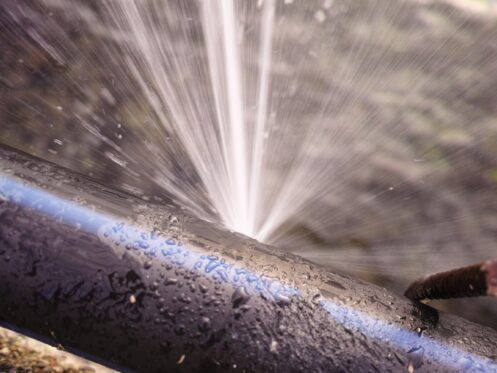
Water can carve a path of damage through walls, floors, and furniture in the blink of an eye. A slow drip might start with a stain. However, unchecked, it can flood entire rooms. Acting quickly makes all the difference in limiting harm and restoring your home’s comfort.
When you call on Frontline Plumbing in Las Vegas, NV, you tap into a team that reaches your home fast and handles each step with care.
Recognizing the Signs of a Leak
You might first notice a damp spot on the ceiling or a strange puddle beside the water heater. Other times, you may hear the faint sound of running water when no faucet is open. Small stains on walls or warped baseboards often follow hidden drips behind drywall. Once you spot these clues, pause and avoid using water in nearby fixtures.
Cutting off the Water Supply Immediately
The fastest way to stop damage from a burst or leaking pipe is to turn off the water supply. You can find the main shutoff valve near the water meter or where the supply enters your home. Turning the handle clockwise stops the flow. If the leak comes from a single fixture, the local shutoff valve under the sink or behind the toilet may isolate that section without cutting off service elsewhere. Call a professional residential plumber immediately.
Documenting Damage for Insurance and Repair Teams
Once water stops flooding, turn your attention to recording the damage. Use your smartphone to capture photos and video of wet walls, soaked flooring, and affected belongings. Walk through each room and narrate what you see, pointing out warped areas and stains. This footage helps your insurance company understand the full scope of the loss before adjusters arrive.
Removing Standing Water and Protecting Belongings
Water sitting on floors soaks into carpets, padding, and wooden boards within minutes. Rather than waiting for it to seep deeper, call a water mitigation service to extract standing water quickly. Professional plumbers will bring truck-mounted pumps and portable extractors to clear every last trace.
They’ll place furniture on blocks or move it to dry areas and cover electronics to keep them safe. After major removal, they will then deploy high-powered air movers and dehumidifiers to pull moisture from walls and floors.
Detecting Leaks
Finding the source of a leak hidden behind walls or under slabs takes more than a flashlight. Plumbers use acoustic listening devices to tune into the faintest drip inside a ceiling cavity. Electronic leak locators send signals down supply lines and read echoes to locate cracks. Sometimes they’ll deploy video cameras into sewer lines to spot breaks or root intrusion. Once they trace the leak, repair work begins.
Preventing Microbial Growth Post-Leak
Even after the water stops, moisture seeping into drywall or subfloor can feed microbial growth within hours. Professionals inspect every damp area with infrared cameras to find cool spots where water remains trapped. They then treat surfaces with EPA-registered antimicrobial solutions that kill spores before they sprout.
After treatment, walls and floors may need controlled demolition to reach hidden pockets of moisture. Plumbers will replace damaged drywall or flooring planks and verify dryness with moisture meters before sealing everything back up.
Upgrading Plumbing to Prevent Future Leaks
Age wears out pipes, valves, and connections. If your system includes old galvanized or leaded copper, consider a full replumbing overhaul with modern PEX tubing or C-PVC. These materials resist corrosion and handle shifting in foundations without cracking. A plumber can reconfigure lines to reduce the number of fittings, which reduces the potential for leaks. Upgrading fixtures, adding pressure regulators, and installing water hammer arrestors protect your pipes from sudden pressure spikes and banging.
Navigating Insurance Claims with Professional Reports
Insurance adjusters rely on clear reports that show cause, effect, and necessary repairs. Plumbers can provide a detailed scope of work that lists replaced sections, materials used, and recommended follow-up checks. Having photos, moisture readings, and professional certification attached to that report speeds up claim approvals. When your adjuster has precise data, they can match policy coverage to damaged areas without haggling over gray zones.
Scheduling Regular Plumbing Inspections
Leaks start small and grow when no one is watching. A yearly inspection by a licensed plumber catches corrosion on visible pipe runs, checks under sinks, and tests hidden supply lines behind walls. Plumbers pressure-test valves to detect slow failures before they open fully.
They inspect water heaters for dripping fittings and sediment buildup that eats away at tank walls. Check-ups include clearing debris from drain traps and verifying that the drain lines slope correctly toward the sewer.
Fix Your Plumbing Leak Today
Responding to a plumbing leak without delay prevents expensive repairs and loss of treasured belongings. Professional leak repair restores the integrity of your pipes and stops water from finding new routes into your Henderson home. Leak detection, pipe replacement, and water extraction services work together to stop damage at its source and dry out affected areas. Frontline Plumbing brings experience and specialized equipment to every job, saving you time and worry.
Schedule your service today and keep your home dry and secure.